Literature
Cultivate Our Garden: What Voltaire Means in Candide
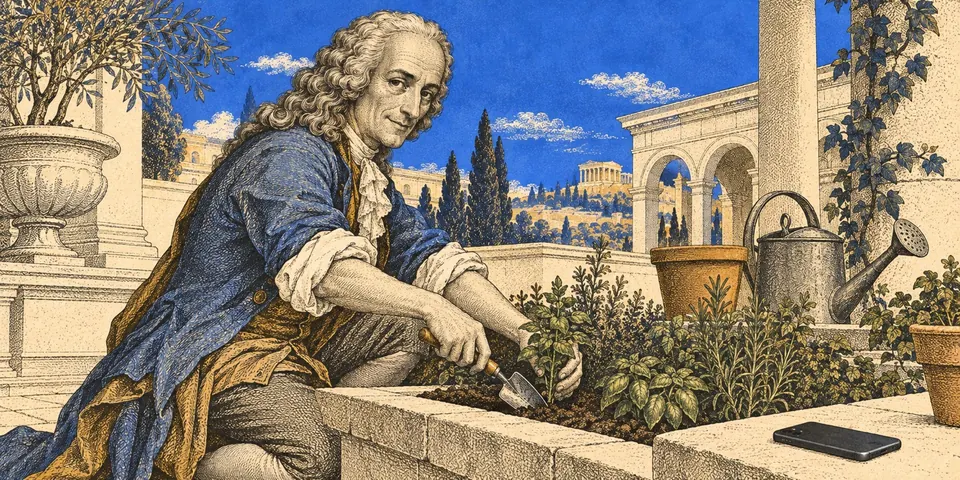
The garden at the end of Candide is more than self-care. Explore Voltaire's criticism of easy optimism, the final scene, and the value of shared work.
Read the note → quoture
The Quoture journal
The scene, the argument, the part a quotation leaves out. Short, source-led notes for a more thoughtful kind of scroll.
Literature
The garden at the end of Candide is more than self-care. Explore Voltaire's criticism of easy optimism, the final scene, and the value of shared work.
Read the note →Stoicism
A plain-language guide to Epictetus's distinction between what is up to us and what is not, with practical examples and the limits of the control slogan.
Read the note →Reading better
Check a famous quotation before you share it. Learn to distinguish an exact quote, a translation, a paraphrase, a fictional speaker, and an unsupported attribution.
Read the note →Reading better
A practical method for understanding a philosophy quote: identify the speaker, locate the source, read the argument, and explain the thought in your own words.
Read the note →Philosophy
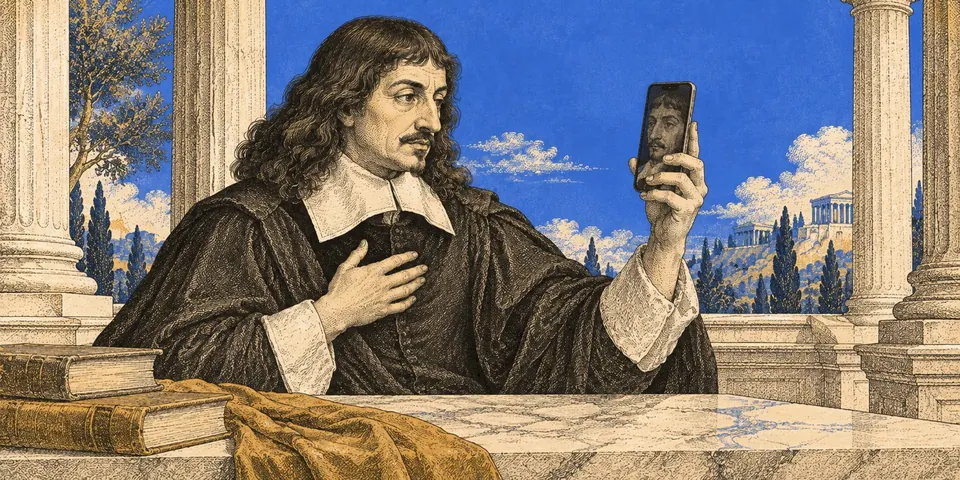
Descartes's famous phrase is about certainty, not positive thinking. Follow the doubt behind the cogito and understand what the argument does and does not prove.
Read the note →Stoicism
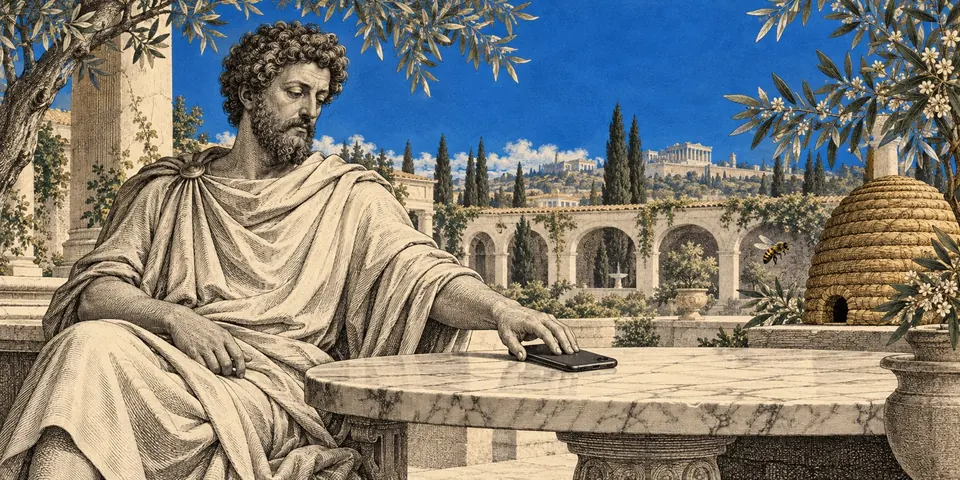
Marcus Aurelius links the good of a bee to its hive. Read the Meditations passage, its social meaning, and why it is more than a slogan about teamwork.
Read the note →Philosophy
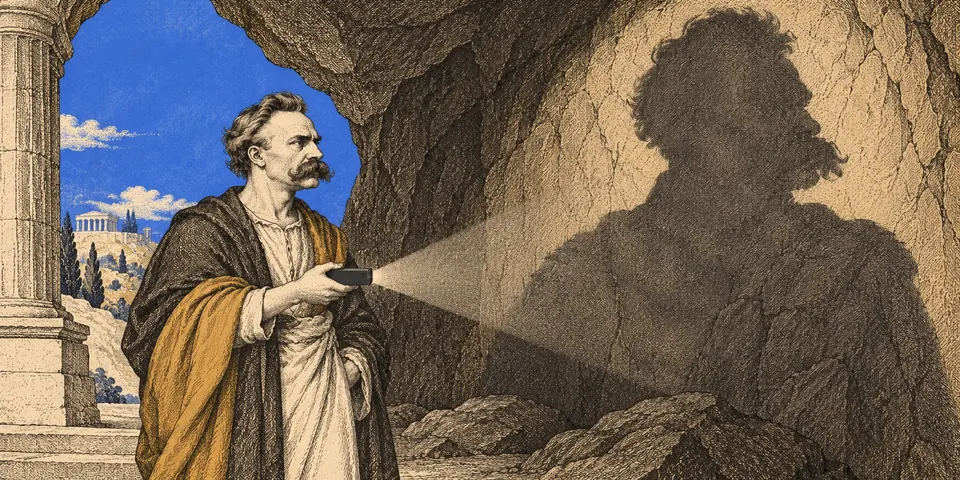
Nietzsche's phrase is more than a declaration of atheism. Read aphorism 108 of The Gay Science and the image of a shadow that outlasts belief.
Read the note →Stoicism
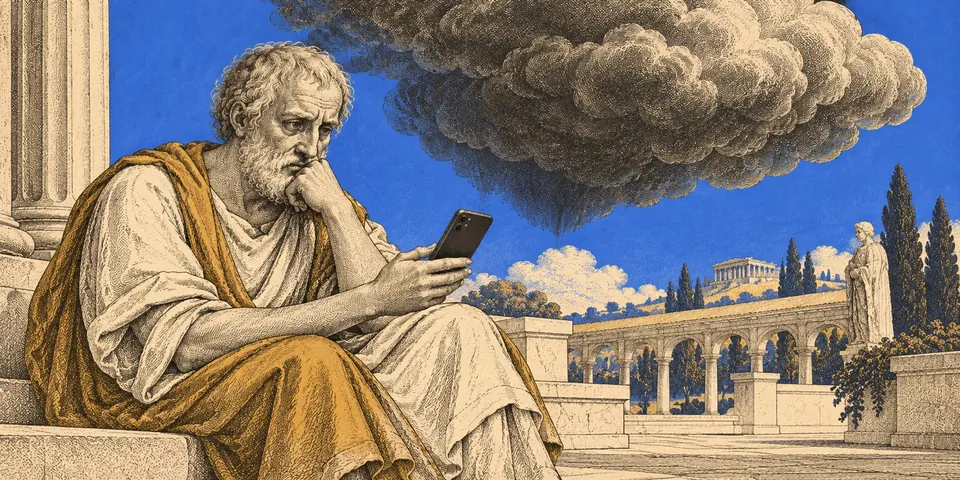
What does Seneca mean when he separates imagined fears from present trouble? Read Letter 13 in context, without dismissing real danger or distress.
Read the note →Philosophy
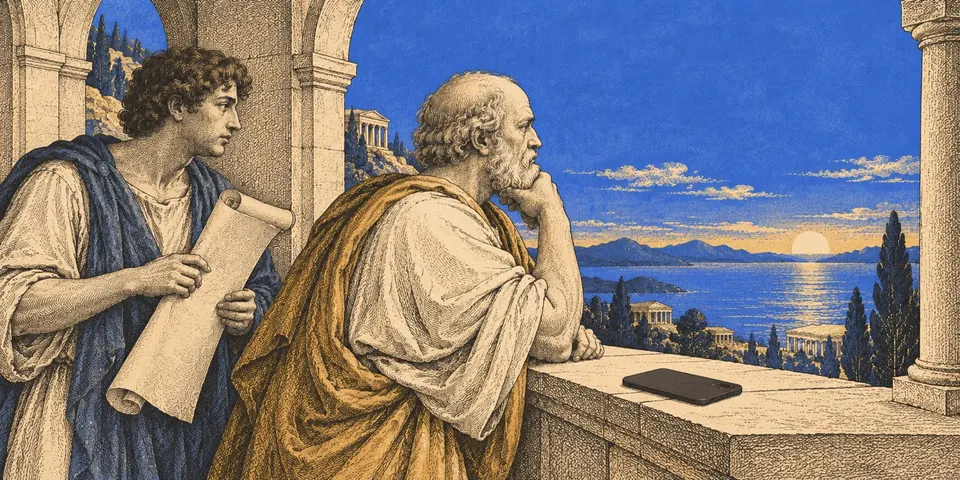
Understand the unexamined life in Plato's Apology. Explore the trial setting, Socratic questioning, and why examination means more than constant self-criticism.
Read the note →Stoicism
Understand Stoic quotes through their context. Learn what Marcus Aurelius and Epictetus mean by control, judgment, and responsibility to other people.
Read the note →No matching note. Try an author or a broader idea.